Kenya safari low season wildlife is not a compromise. The months most travelers skip can deliver quiet game drives, green bush, and some of the year’s best predator sightings. The five best low season months are January, February, April, May, and November. Each one has a different weather pattern, but all can reward a traveler who plans around the rain.
When Is Kenya’s Low Season for Wildlife?
Kenya’s main low season is April-May during the long rains, with November offering a shorter rainy-season value window. January-February is a quieter dry-season alternative in many parks, with strong wildlife viewing before the long rains. Exact conditions vary by region, and Christmas and New Year can bring peak demand.
The five strongest low season windows for wildlife are January, February, April, May, and November. April and May are the wettest months. Many camps close, but those that stay open offer low rates and thin vehicle pressure. November brings the short rains, which are lighter and more scattered. January and February sit in the dry spell between the rains, with hot days and predictable wildlife around water sources.
| Low Season Window | Rain Pattern | Wildlife Highlights | Price Trend (2026, indicative) |
|---|---|---|---|
| January-February | Dry, hot | Elephants, predators at waterholes | 10-20% below peak rates |
| April-May | Long rains | Newborn herbivores, resident predators, birds | 20-40% below peak rates |
| November | Short rains | Green scenery, birds, resident wildlife | 10-30% below peak rates |
These ranges are indicative. Actual savings depend on the lodge, room type, and booking date.
What Wildlife Can You See in the Low Season?
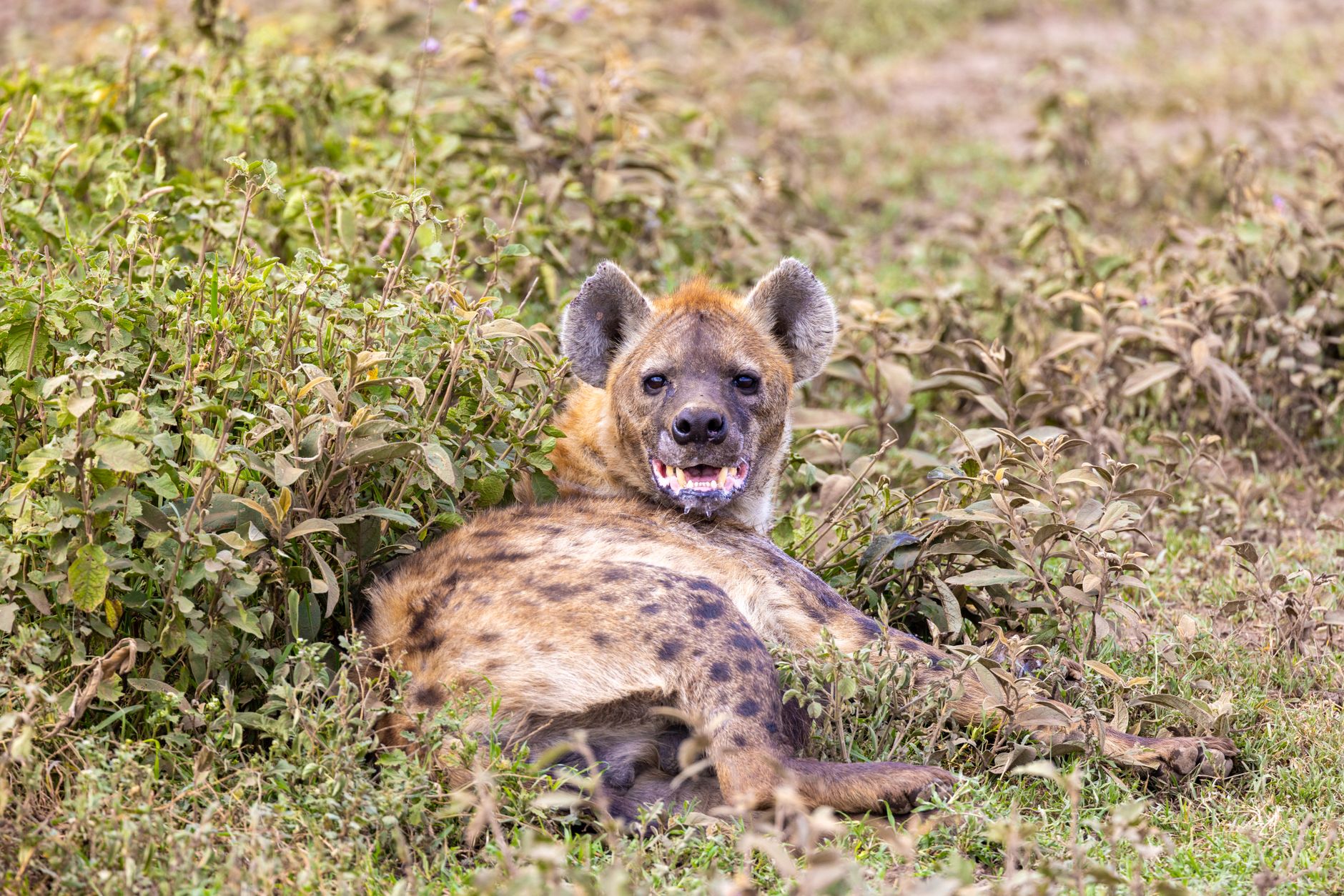
Low-season visitors can still see Kenya’s resident lions, leopards, elephants, buffalo, rhinos, cheetahs, and hyenas. April may catch the end of calving, while November brings abundant migratory birds and green-season activity. Newborn herbivores can increase predator activity, although thick vegetation may make some animals harder to locate.
The dry-country species in Samburu, including Grevy’s zebra, reticulated giraffe, and Somali ostrich, are resident and visible all year. In Amboseli, the big elephant families rarely vanish. In the Masai Mara, resident wildebeest herds remain even when the migration is away. April can still include late births among resident herbivores in the Mara, so predators are often busy. November brings warblers, storks, and other migrants from Europe and Asia. If your goal is to see all five iconic animals, start with our guide to Kenya’s Big Five.
How Does Rain Affect Kenya Safari Low Season Wildlife?
Rain rarely stops every game drive, but it can make roads muddy, reduce visibility temporarily, and lengthen travel times. Showers often arrive in the afternoon or evening, leaving clearer mornings, though heavy April-May rain can close tracks or make sightings more difficult. Short rains in November are usually lighter and less disruptive.
Do not assume every hour is wet. In the Mara and Amboseli, a typical April morning can offer clear light, and clouds can improve photography by softening harsh sun. The bigger problem is access. Red mud in the Mara can turn tracks slippery, and some seasonal camps close. Thicker grass also makes smaller antelope harder to spot. For photographers, the low season offers lush backgrounds, dramatic skies, and fewer vehicles at sightings. Protect your camera from spray and dust. A rain cover or a dry bag is worth packing, and you can see the full kit list in our Kenya safari packing list.
Which Kenyan Parks Are Best in the Low Season?
The Masai Mara remains productive because resident predators and herbivores stay year-round. Amboseli can offer strong elephant viewing, and Tsavo provides broad wilderness and varied habitats. Samburu and Laikipia add dry-country species and conservancy experiences. Select camps carefully: some mobile or seasonal properties close during the heaviest rains.
The Masai Mara is a strong choice for lion and leopard sightings even in the rain. Use our Masai Mara guide to compare camps and conservancies. Amboseli, with its open plains and views of Kilimanjaro, can deliver excellent elephant photography in April and May. For family-friendly options, look at the wildlife activities in Amboseli. Tsavo is less visited overall, so low season can feel even more remote. The Tsavo safari guide explains the different habitats. Samburu is reliably good for dry-country endemics, and the Samburu safari guide covers the northern routes.
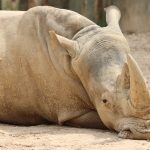
Laikipia is another low season favorite, especially Ol Pejeta Conservancy, where black rhino and chimpanzee viewing are possible. If you are unsure which rhino species you are watching, learn how to tell black and white rhinos apart before you go.
Are Kenya Safari Prices Cheaper in the Low Season?
Yes, rates usually drop. The low season’s main advantages are lower lodge prices, fewer vehicles at sightings, greener landscapes, and stronger birding. The trade-offs are less predictable weather, muddier roads, thicker grass, and possible camp closures. For travelers prioritizing private wildlife time over guaranteed dry conditions, April-May and November can offer better value than peak season.
Many lodges and camps cut room rates by 20 to 40 percent in April-May, and November discounts are common too. Park entry fees, however, do not always fall with the rain. Kenya Wildlife Service fees apply year-round, with lower rates for citizens and residents. International visitors should budget separately for park fees. Base rates can be attractive, but confirm whether transfers, activities, and park fees are included. For a full breakdown, see our guide to the cost of a Kenya safari.
How Do I Plan a Successful Low-Season Kenya Safari?
Choose camps that confirm operation during your dates, allow extra driving time, and prioritize flexible private or small-group vehicles. Ask about recent road conditions, backup activities, and whether off-road access is permitted in nearby conservancies. Pack waterproof layers and protect cameras, but plan early starts because mornings often provide the clearest viewing.
Start with a specialist operator who knows which camps stay open. Not every lodge closes in May, but the best low season properties are those with all-weather roads and covered vehicles. Build in buffer days. A delayed flight or a flooded airstrip is easier to absorb if you have a spare day. Choose conservancy stays where smaller vehicles can drive off-road in some areas, a common bonus for photography in the Mara’s private conservancies. Read our guidance on ethical wildlife encounters in Kenya so your driver’s decisions protect the animals.
What Do Travelers Ask About Low Season Safaris?
Travelers planning a low season safari usually want to know when the quiet months fall and whether wildlife viewing still delivers. They also ask how rain affects daily drives and whether rates drop. These five questions cover the decisions that matter most: timing, animal sightings, weather patterns, and budget expectations.
When Is the Low Season for Safari in Kenya?
Kenya’s main low season is April-May, during the long rains. November is another lower-demand month during the short rains, while January-February can offer quieter pricing and excellent wildlife viewing during a generally dry spell.
Is Kenya Safari Good in the Low Season?
Yes, Kenya can offer excellent low-season wildlife viewing, especially for resident predators, elephants, newborn animals, and birds. Rain, muddy roads, thicker vegetation, and occasional camp closures create less predictable conditions than the dry season. Still, fewer vehicles and lower rates can improve the experience for many travelers.
What Animals Can You See on a Kenya Safari in April and May?
April and May can produce sightings of lions, leopards, cheetahs, elephants, buffalo, rhinos, and hyenas, along with newborn zebra and antelope. Migratory birds are also present. Heavy rain and taller vegetation may make animals less visible in some areas.
Does It Rain All Day in Kenya During Safari Low Season?
No. Low-season rain is often delivered in showers, commonly in the afternoon or evening, so mornings may remain suitable for game drives. However, rainfall varies by region and can occasionally be prolonged or heavy enough to affect roads, tracks, and camp operations.
Are Kenya Safari Prices Cheaper in the Low Season?
Usually, yes. Lodges and camps often reduce rates during April-May and November because demand is lower. Exact savings depend on the property, park fees, room type, and holiday dates. Some camps close rather than discount during the heaviest rains, so availability should be confirmed before booking.
How Do You Compare Low Season Safari Packages?
Several operators specialize in Kenya’s quieter months. To match your dates to the right camp, compare safari operators on FindMySafari. You can also browse packages from Valley Safaris to see which properties stay open and what rates are offered for April, May, and November.
Where Can You Find More Safari Planning Resources?
Beyond this guide, a few other specialist Kenya safari resources cover seasonal timing in more depth, from interactive maps to month-by-month rainfall and wildlife breakdowns. These sister resources are useful if you want a second source before locking in dates. The list below points to maps and month-by-month breakdowns from trusted sister resources.
- Best time to visit Kenya map from SafariPure
- Best time to visit Kenya month-by-month map from Valley Safaris
- Big Five safari collection on FindMySafari